

sleep apnea
Sleep Apnea is a serious condition in which a patient’s breathing stops and starts repeatedly during sleep.
Sleep apnea prevents you from getting quality rest at night, making it difficult for you to perform everyday tasks properly as the condition worsens. After a while, patients may even display irritability, feeling sleepy during the daytime, problems with attention, and actually falling asleep while working, driving, or watching TV.
The most dangerous fact about the condition is that most people aren’t even aware of the condition until it’s too late.
Although awareness of this potentially deadly sleep disorder has increased in both the public eye and the healthcare profession, it is thought that only about 10 percent of those who suffer from OSA (Obstructive Sleep Apnea) are undergoing treatment.
1 in 3 adult males and 1 in 5 adult females are suffering with and dying from OSA. If you feel tired even after a full night of sleeping or if your partner complains about you snoring loudly, then there is a chance that you may have sleep apnea
Because OSA (Obstructive Sleep Apnea) intermittently deprives your body of oxygen, it typically results in increased heart rate and blood pressure. Untreated, OSA can increase your risk for serious health problems including heart attack, stroke, high blood pressure, and cardiac arrhythmia.
In addition, because your brain suffers from oxygen deprivation and must constantly awaken to restore breathing, you may never reach the deeper, restorative stages of sleep. People who suffer from OSA experience daytime sleepiness, memory loss, and an inability to concentrate. The scary truth is that OSA can, and in time, will kill patients.
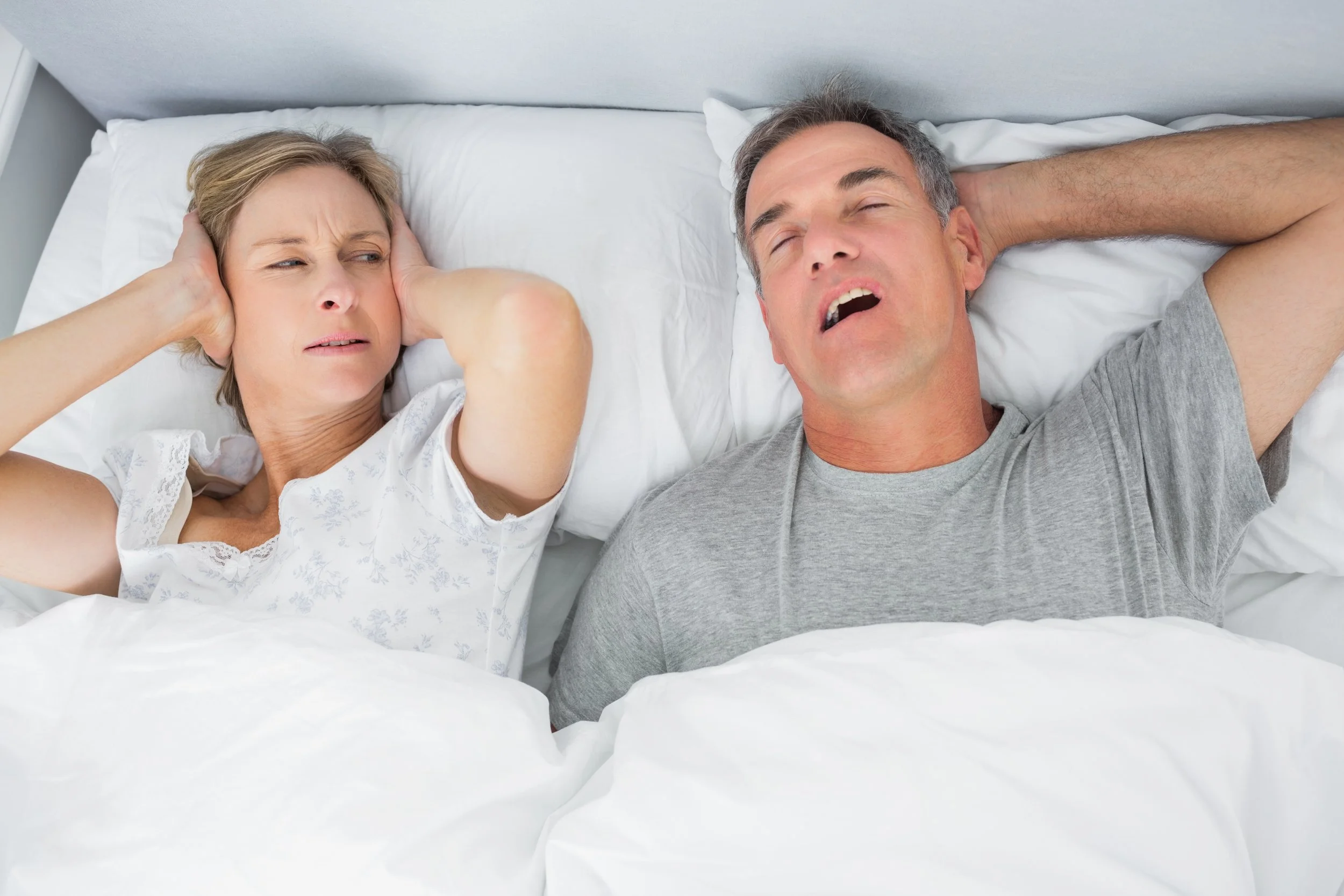
Common symptoms of sleep apnea
Loud snoring
Waking up with a dry throat
Headaches in the morning
Waking up with shortness of breath
Insomnia
Hypersomnia

Find out if you could possibly have sleep apnea
The Epworth Sleepiness Scale
faq’s
-
According to Dental Sleep Medicine specialist in West Palm Beach, Dr. Natalia Tsar sleep apnea can be caused by many things and may affect just about anyone in any age group.
Genetic factors are among the top causes of sleep apnea such as:
The circumference of your neck
Being male
A narrow airway
Family history
Additional causes include:
Being overweight
Nasal congestion
Smoking
Alcohol
Stroke
Narcotic pain medication
Heart disease
Age
-
In order to diagnose sleep apnea, sleep specialists conduct sleep studies. During a sleep study, the specialists will monitor body activity to see whether the patient’s sleep is interrupted in any way.
-
CPAP (Continuous Positive Airway Pressure) is considered the standard of treatment. Unfortunately, as important and life-saving as this CPAP device is, the compliance rate for wearing it is reported to be as low as around 30%.
Dental appliances ( mandibular advancement appliances) are the most convenient form of sleep apnea treatment, and for the mild to moderate sleep apnea patient, it offers significant reductions in apneas and a reduction in the volume and occurrence of snoring. For more advanced cases, the CPAP combined with a mandibular advancement appliance allows a dramatic drop in the pressure of the oxygen being used and a dramatic increase in comfort.
Dr. Tsar has received specialized sleep apnea education at the Las Vegas Institute for Advanced Dental Studies (LVI), the world’s premier postgraduate dental institution, and has developed an understanding of OSA screenings, treatments, and patient support. Her knowledge and training also include the designing of a physiologic-neuromuscular night-time appliance that not only supports proper soft tissue architecture in the airway but the health of the TMJ as well.
Find out if you could possibly have sleep apnea with The Epworth Sleepiness Scale.
additional services

tmj /tmd
crowns